Commercial Waste Removal in Whitechapel
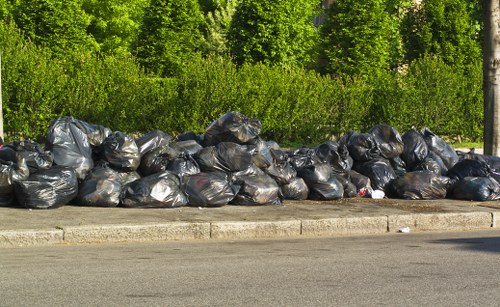
Commercial waste removal in Whitechapel needs to be organised, practical and suited to the pace of busy premises. We deal with mixed business waste streams from offices, shops, hospitality settings and managed buildings, helping keep storage areas, back-of-house spaces and shared access routes clear. The service is designed to support regular working patterns while handling bulky, awkward or accumulated waste in a straightforward way.
Our work can cover routine commercial clearances, one-off uplift jobs and planned removal of items that no longer belong on site. That may include packaging, fixtures, office furniture, appliance units, general rubbish and other non-hazardous materials that need to be taken away responsibly. We also support customers who need a cleaner handover before refurbishment, reconfiguration or end-of-lease vacating.
For a quotation, send us the details of what needs removing and the type of premises involved. If you already know the scope, that helps us estimate the right approach more accurately. Tell us what is on site, how it is stored and when access is easiest. Review pricing and quotes if you want to understand how enquiries are assessed before you book.
Business waste collections for everyday operations
Businesses generate different waste at different rates, so the service has to be flexible enough to deal with ordinary day-to-day clear-outs as well as occasional larger loads. We remove items that have built up after deliveries, fit-outs, stock changes or routine tidy-ups, without expecting every job to look the same. That makes it suitable for premises that need a practical disposal option rather than a one-size-fits-all arrangement.
Common work includes loading and removing bags, boxes, broken items, archived material and redundant workplace contents. Where suitable, waste can be separated so reusable or recyclable items are handled with more care than mixed rubbish. Separation matters because it affects how different materials are processed afterwards and helps keep the job more efficient. See business waste removal for a closer look at this core service.
What a business clearance can involve
A commercial clearance may include loose refuse, shelving, desk units, filing furniture, reception items, old stock containers and miscellaneous goods that are no longer needed. The service is useful when a room has become difficult to use because it is storing surplus materials rather than supporting day-to-day work. It is also helpful when access needs to be restored quickly for cleaners, decorators, contractors or staff.
Office waste and furniture removal

Office environments often collect a mix of paper waste, broken furniture, redundant screens, unwanted chairs and old storage units. Our office waste removal work focuses on taking away these items in a controlled way so desks, meeting rooms and back rooms can be returned to practical use. We can also remove furniture that is being replaced during a workplace refresh.
When office furniture needs to go, the main considerations are size, condition, accessibility and whether the items are easy to dismantle. Large desks, cabinets and seating often need careful handling through corridors, stairs or shared entrances. If you are replacing several pieces at once, grouping items by type can make the removal more orderly. Visit office clearance for more detail on this type of work.
Some workplaces prefer a fuller clear-out rather than item-by-item removal. That may be appropriate when a suite is being handed back, reorganised or stripped of surplus contents before a new layout is installed. Planning the load helps because it lets us understand the volume, the access points and whether the clearance can be completed in one visit or should be phased.
Furniture disposal and bulky item collection
Furniture disposal is often needed when a business changes layout, replaces worn items or clears space for a different use. We take away bulky items such as desks, chairs, cabinets, shelving, tables and other large pieces that are no longer wanted on site. The aim is to remove the obstruction efficiently while keeping the process straightforward for the customer.
Not every item needs the same handling. Flat-pack units, solid timber furniture and upholstered pieces can each present different lifting and loading considerations, especially where access is tight. Where practical, we look at whether items can be dismantled before removal. Learn about furniture disposal if you want a page focused on these item types and disposal arrangements.
For offices, shops and shared buildings, the value of a clear furniture removal plan is that it reduces disruption around the work area. If you are preparing a quotation request, note the number of items, whether they are upstairs and whether any pieces are fixed or especially heavy. That detail helps us estimate the work accurately and keep the collection efficient.
Shop, stockroom and light commercial clearances
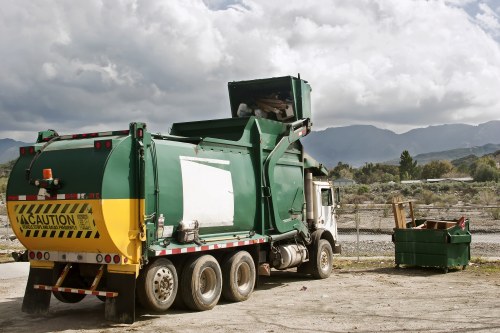
Retail and light commercial premises can generate waste in uneven bursts, especially after stock rotation, refurbishment or seasonal changes. We remove unwanted shelving, display items, damaged stock packaging, packaging waste and other contents that have outlived their use. The service is useful where storage pressure has built up and the space needs to be reset for the next stage of trading.
Stockroom clearances often need a practical approach because items may be stacked tightly or mixed with equipment and packaging. The key is to identify what should stay, what should go, and whether any contents need separating before collection. Clear sorting instructions can make the work smoother, particularly where several teams use the same back-of-house area and the waste has accumulated over time.
If you need a broader removal rather than a single-item collection, explore waste removal as a general service option. It suits customers who want a straightforward way to deal with mixed premises waste without organising multiple separate collections for different item types.
Site access, loading and practical preparation
Commercial waste removal works best when the access details are clear from the outset. That includes where items are located, whether there are stairs or lifts, and whether parking or loading space is available close to the premises. We use that information to plan the collection in a way that is realistic for the site rather than relying on assumptions.
A short list can help when you are gathering the details for a quotation request:
- the main types of items to be removed
- approximate quantities or pile size
- any difficult access points or narrow routes
- whether items are loose, bagged or stacked
- the timing that works best for your premises
We can then match the removal to the actual conditions on site, which is especially useful in busy commercial settings where entries, loading bays or shared corridors may need to be kept clear. Accurate practical information is more helpful than long explanations, because it lets the team focus on the objects, the access and the collection method.
Recycling, sorting and responsible disposal

Commercial waste is often made up of mixed materials, so responsible disposal depends on identifying what can be separated before it leaves the premises. Items such as metal frames, certain plastics, cardboard, paper and selected reusable goods may be handled differently from general waste. We approach the work with that distinction in mind so the collection is not treated as a single undifferentiated load.
Read about recycling and sustainability if you want to understand the wider handling principles behind these collections. For many customers, the important point is that a removal service should not only clear the site but also manage the contents in a sensible, organised way. This is especially relevant where office moves, refits or regular operations produce a blend of reusable and disposable materials.
Hazardous or specialist waste needs separate attention and should not be mixed with ordinary commercial rubbish. If your site includes materials that require controlled handling, tell us in advance so the job can be assessed correctly. We can discuss the scope, but the removal method must match the waste type rather than forcing everything into one category.
About Whitechapel
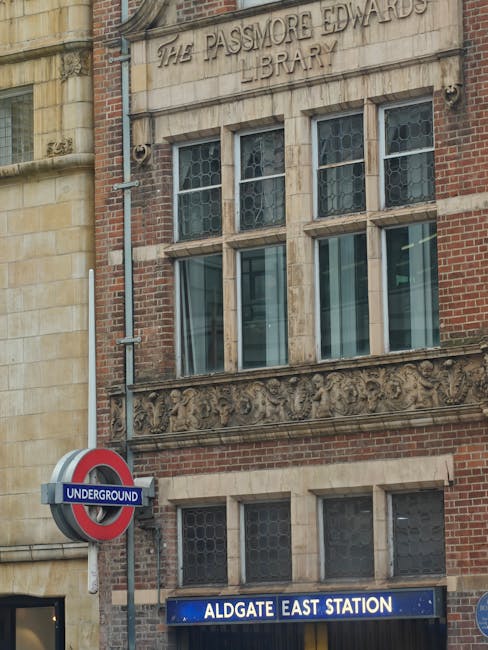
Whitechapel is an inner East London district in the London Borough of Tower Hamlets, known for its long association with immigration, markets, industry and dense urban change. The area takes its name from the medieval chapel of St Mary Matfelon, once a whitewashed church that gave the district its identity. Over time, Whitechapel developed from a fringe settlement beyond the City into a busy metropolitan neighbourhood shaped by trade, movement and arrival. Its streets sit close to the boundary of the historic East End, and the area has repeatedly reflected wider patterns in London life, from dockland-era work and manufacturing to post-war rebuilding and contemporary redevelopment. Whitechapel Road remains one of the best-known arteries through the district, linking the neighbourhood with Aldgate to the west and Stepney to the east. The local urban landscape combines older terraces, later commercial buildings, newer housing and healthcare infrastructure, creating a layered streetscape rather than a single architectural style. Whitechapel Underground and railway station is a major transport node, and the opening of the Elizabeth line strengthened its role as a gateway between east London and the wider city. The Royal London Hospital is another defining institution, standing beside a part of the district that has seen substantial change in the twenty-first century. Cultural life in Whitechapel has long been associated with migration, religious diversity and civic institutions, while nearby landmarks such as Altab Ali Park commemorate the area’s social history. The district also sits within easy reach of Brick Lane, the City fringe and the waterways and docklands further east, giving it a place within a much larger network of historic and contemporary London routes.
Household-style clearances for mixed premises
Although the page focus is commercial, some premises contain items more often associated with homes than workplaces. Examples can include sofas, mattresses, kitchen appliances, cupboards or mixed furniture left behind after a change of use. Where such items appear in a business setting, the clearance still needs to be handled as part of the site’s overall waste management rather than as a separate problem.
See mattress and sofa disposal for items that need their own handling approach. You can also view fridge and appliance removal if the premises contain white goods or other larger electrical items. These pages are useful when the load is mixed and you want to identify the right disposal route for specific objects.
In practice, the main task is to keep the space usable while making sure each item is assessed sensibly. That can mean combining a few specialist pieces with more general rubbish into a single organised removal plan, rather than arranging multiple separate visits for closely related waste.
Requesting a quote for your waste removal
To request a quotation, it helps to describe the waste in plain terms and explain where it is currently located. You do not need to write a long brief; a concise summary is usually enough if it covers item type, approximate volume, access and timing. We can then respond with a quote that reflects the actual scope of the job.
If you are comparing options, focus on whether the service can handle your particular mixture of items, the access conditions and any special handling needs. Book online if you already know what needs removing and want to move the process on. When you are ready, ask for a quotation and we will take it from there.
For a more detailed commercial enquiry, request a quotation here and include the basic site information, item list and preferred collection window. That gives us the clearest starting point for arranging commercial waste removal in Whitechapel.